



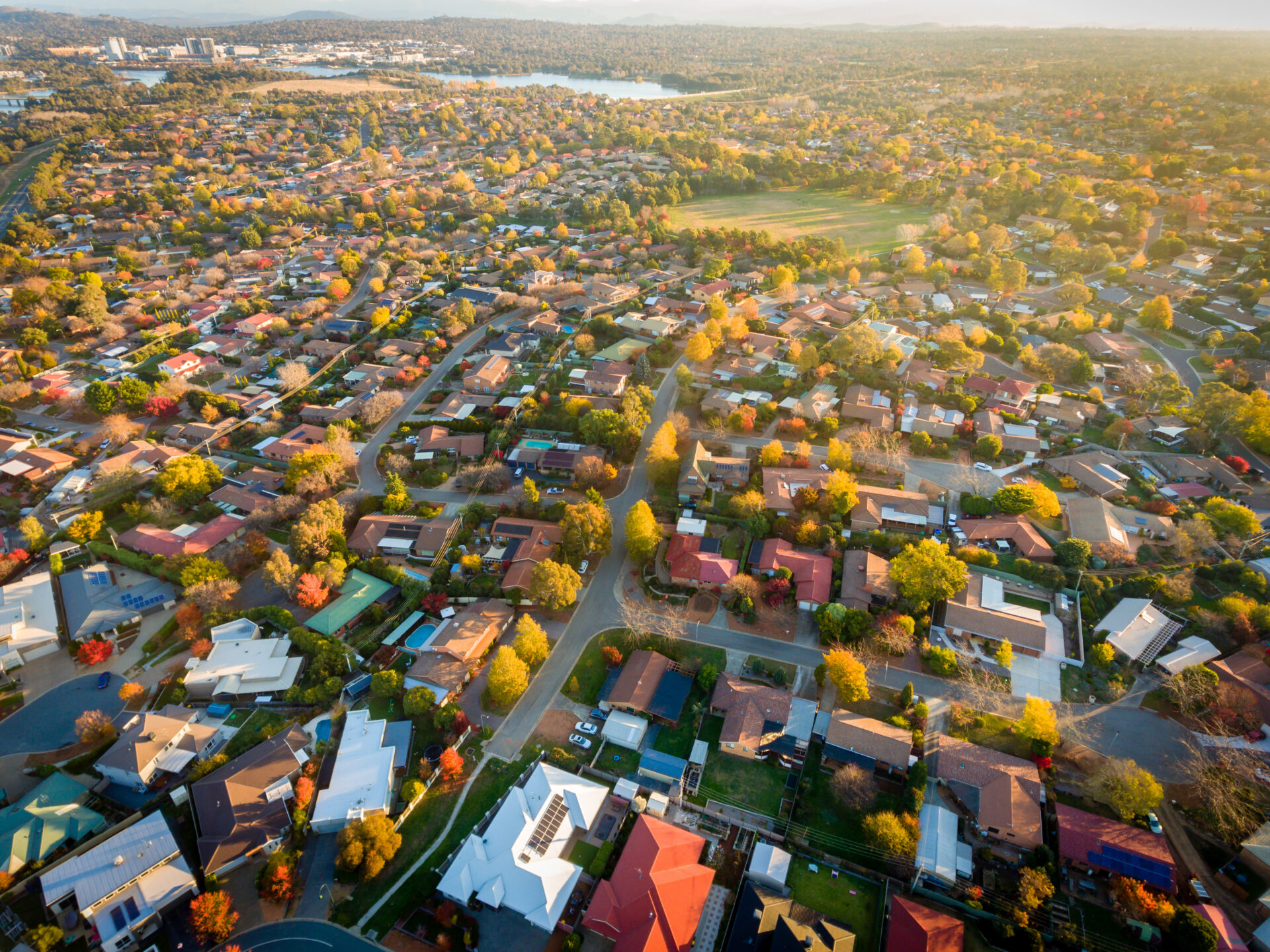

Australia’s rental market continues to be one of the most talked-about parts of the property landscape in 2026, and for good reason.
After several years of rapid price growth and historically low supply, the market remains under pressure, even as conditions show subtle signs of stabilising in some regions.
Here we look at what the latest data is telling us, why rental growth has accelerated, and what it means for renters, landlords and investors moving forward.
The Current State of Australia’s Rental Market
At a national level, the rental market is still characterised by tight supply and strong demand. Vacancy rates remain well below what economists consider a “balanced” market, meaning competition for available homes is still intense.
Recent data shows Australia’s national vacancy rate sitting around 1.2% in early 2026, down from 1.4% the previous month, signalling a tightening in rental conditions as listings are quickly absorbed.
This is a key reason rents have continued to rise. Over recent years, rental prices have climbed sharply, with some data showing rents up nearly 44% over five years, pushing median weekly rents in capital cities above $700.
While growth has moderated compared to the peak surge period, rents remain at or near record highs nationally, reflecting ongoing supply shortages and sustained population growth.
Why Rental Growth Is Accelerating
Several structural factors are combining to keep rental markets tight across the country.
Population growth and migration have boosted demand for housing faster than new supply can be delivered. At the same time, construction pipelines have been constrained by higher building costs, labour shortages and planning delays.
Listings remain below long-term averages, meaning many renters are competing for fewer properties, a dynamic that continues to place upward pressure on prices.
Another factor is affordability constraints in the purchase market. Higher borrowing costs over recent years have delayed some would-be buyers, keeping them in the rental pool for longer and adding to demand.
Seasonal shifts can also play a role. Vacancy rates often rise slightly toward the end of the year before tightening again early in the new year, as seen in the recent drop in national vacancies.
What It Means for Renters
For renters, the current environment remains challenging. Low vacancy rates mean fewer choices and strong competition, particularly in capital cities and lifestyle regions.
Affordability pressures continue to shape household decisions, with many renters opting to share housing, move further from city centres or remain in properties longer to avoid frequent rent increases.
While rental growth is expected to slow compared to the rapid gains seen in recent years, most forecasts suggest rents will remain elevated until supply meaningfully improves.
What It Means for Landlords
For landlords, conditions remain relatively favourable. Strong tenant demand and low vacancies support consistent occupancy and steady income streams.
However, the market is not without its challenges. Higher interest rates in recent years have increased holding costs, and regulatory changes in some states have tightened compliance requirements.
Even so, rental yields across Australia generally sit around 5–6% on average, with higher returns in some regional and resource-driven markets.
As a result, property continues to be viewed as a long-term income-generating asset, particularly in markets with strong population growth or limited new supply.
What It Means for Investors
For investors, the rental market’s strength is a double-edged sword. On one hand, rising rents improve cash flow and can offset higher financing costs. On the other, tighter affordability may eventually limit how much rents can increase.
Investors are increasingly focusing on fundamentals such as:
- Population growth and infrastructure investment
- Vacancy trends and local supply pipelines
- Rental yield and long-term capital growth prospects
Regional markets and lifestyle areas remain particularly appealing due to relative affordability and strong tenant demand, a trend that has persisted since the pandemic-era shift toward flexible living.
The Longer-Term Outlook
Looking ahead, the trajectory of Australia’s rental market will largely depend on how quickly housing supply can catch up with demand.
If construction activity accelerates and more homes enter the market, rental growth is likely to moderate further. However, if supply remains constrained, rents are expected to continue rising, albeit at a slower pace than the peaks of recent years.
Most analysts agree the market is moving toward a more sustainable phase, but not necessarily a softer one. The fundamentals of strong population growth, urbanisation and limited housing stock mean rental demand is likely to remain robust over the medium term.
The Bottom Line
Australia’s rental market in 2026 is still defined by tight supply and strong demand, even as growth begins to normalise.
For renters, it means planning ahead and budgeting carefully. For landlords and investors, it reinforces the importance of focusing on long-term fundamentals rather than short-term market swings.
In a housing environment where availability remains limited and demand is resilient, the rental sector continues to play a central role in Australia’s broader property story, and it’s likely to remain front of mind for policymakers, investors and households alike.
If you’re a current landlord, investor or tenant in need of some guidance, contact an Elders Expert in your area here.