



For many Australians, the idea of a perfect home has become less about grand designs and more about how a space feels and functions in everyday life.
Over the past few years, our routines have evolved. Homes are no longer simply places we return to at the end of the day. They have become offices, classrooms, entertainment hubs, fitness spaces, quiet retreats and gathering places for family and friends.
As a result, the features people are gravitating towards today are often the ones that make daily living easier, more comfortable and more adaptable.
Whether someone is renting, buying or simply making the most of their current home, there is a growing appreciation for spaces that support real life rather than just looking good in photographs.
While every household is different, several common themes are emerging in the way Australians are thinking about their homes in 2026.
Flexible Spaces Are More Valuable Than Fixed Rooms
One of the biggest shifts in recent years has been the move towards adaptable living.
Rather than assigning a single purpose to every room, many people are looking for spaces that can change depending on their needs.
A spare bedroom might serve as a home office during the week and a guest room on weekends. A dining area might double as a study space for children. A corner of the living room may become a workout zone or hobby area.
This flexibility allows homes to evolve alongside changing lifestyles.
For families, it can mean creating spaces that grow with children. For couples, it can provide room for remote work. For downsizers, it can offer versatility without requiring additional square metres.
The appeal is not necessarily having more space. It is having space that can work harder when needed.
Outdoor Areas Continue to Play an Important Role
Australians have always embraced outdoor living, but the way people use these spaces continues to evolve.
Large backyards are no longer the only feature attracting attention. Increasingly, people are looking for outdoor areas that are practical, comfortable and easy to enjoy.
This might include:
- A small courtyard for morning coffee
- A covered patio for year-round entertaining
- A balcony with room for plants and seating
- A manageable garden that provides greenery without requiring constant upkeep
Outdoor spaces often provide an important extension of the home, creating opportunities to relax, entertain or simply spend time outside.
Even modest outdoor areas can make a home feel larger and more connected to its surroundings.
Natural Light Makes a Difference
There is something undeniably uplifting about a home filled with natural light.
Bright, airy spaces can create a sense of openness and comfort regardless of a property’s size.
Many people are drawn to homes with:
- Large windows
- Skylights
- Open-plan layouts
- Living areas that capture morning or afternoon sun
Natural light not only enhances the appearance of a home but can also influence mood and well-being.
A sunny kitchen, a bright reading corner or a naturally lit living room can make everyday activities feel more enjoyable.
As people spend more time at home, these seemingly simple qualities are becoming increasingly appreciated.
Storage Is No Longer an Afterthought
Few home features contribute to day-to-day comfort quite like practical storage.
As households accumulate everything from sporting equipment and seasonal clothing to work materials and children’s toys, finding a place for it all becomes increasingly important.
People are increasingly valuing homes that include:
- Built-in wardrobes
- Linen cupboards
- Garage storage
- Pantry space
- Laundry storage solutions
- Flexible shelving
Good storage helps reduce clutter, improves organisation and allows living areas to remain functional and enjoyable.
It may not be the most glamorous feature in a home, but it is often one of the most appreciated.
Quiet Spaces Are Becoming More Important
As modern life becomes busier and more connected, many people are seeking opportunities for peace and privacy within their homes.
This does not necessarily mean dedicated libraries or large studies.
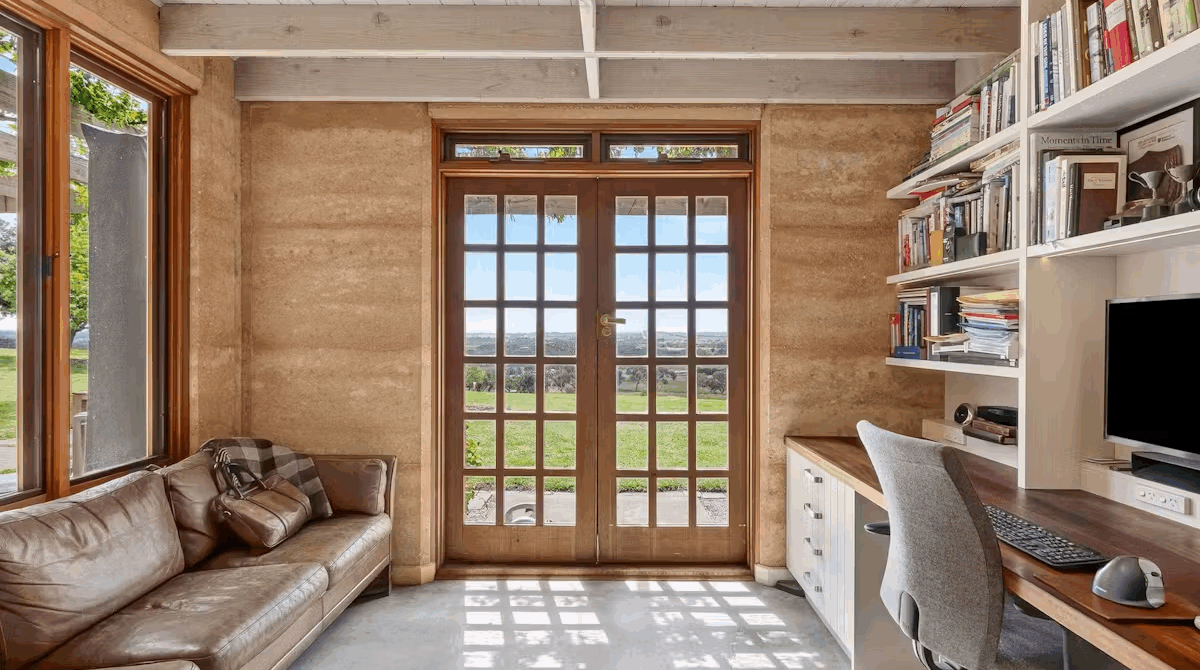
Sometimes it is simply having a space where someone can read, work, relax or take a break from household activity.
Quiet zones might include:
- A separate sitting room
- A study nook
- A retreat area
- A private outdoor corner
- A bedroom positioned away from busy living spaces
The desire for these spaces reflects a growing recognition that homes play an important role in supporting mental wellbeing and balance.
Having somewhere to pause, concentrate or unwind can be just as valuable as having areas designed for entertaining.
Kitchens Remain the Heart of the Home
Despite changing lifestyles, the kitchen continues to be one of the most used and appreciated spaces in Australian homes.
What people often value most is not necessarily size or luxury finishes, but practicality.
Features that support everyday living include:
- Functional layouts
- Ample bench space
- Good storage
- Connection to dining and living areas
- Easy movement throughout the space
For many households, the kitchen serves as a central gathering point where conversations happen, meals are prepared and family members naturally come together throughout the day.
Homes That Feel Easy to Maintain
Busy lifestyles have also influenced the appeal of low-maintenance living.
Many Australians are looking for homes that allow them to spend less time on upkeep and more time enjoying their space.
This does not mean eliminating character or personality. Rather, it often means choosing features that are practical and manageable.
Examples include:
- Easy-care gardens
- Durable flooring
- Functional layouts
- Efficient storage
- Simple outdoor spaces
The appeal lies in reducing the workload associated with home ownership while still enjoying a comfortable and welcoming environment.
Comfort Is Taking Centre Stage
Perhaps the strongest theme emerging across Australian homes is the growing importance of comfort.
People are increasingly focused on creating environments that feel welcoming, calming and suited to their individual lifestyles.
Comfort can mean different things to different households.
For some, it is a cosy living room filled with natural light. For others, it is a functional home office, a peaceful outdoor retreat or a well-organised family space.
What matters most is how the home supports everyday routines and personal wellbeing.
It’s About Living, Not Just Housing
The features Australians are drawn to right now are not necessarily the newest, largest or most expensive.
Instead, they are often the features that make daily life simpler, more enjoyable and more adaptable.
Flexible spaces, natural light, practical storage, outdoor living areas and quiet corners all contribute to a home that feels comfortable and functional.
Whether renting, owning or planning future changes, many people are increasingly viewing their homes through a simple lens: how does this space help me live the life I want to live?
As lifestyles continue to evolve, the answer to that question is shaping the homes Australians appreciate most, reminding us that great homes are often defined not by their size or style, but by how they support the people who live in them.