




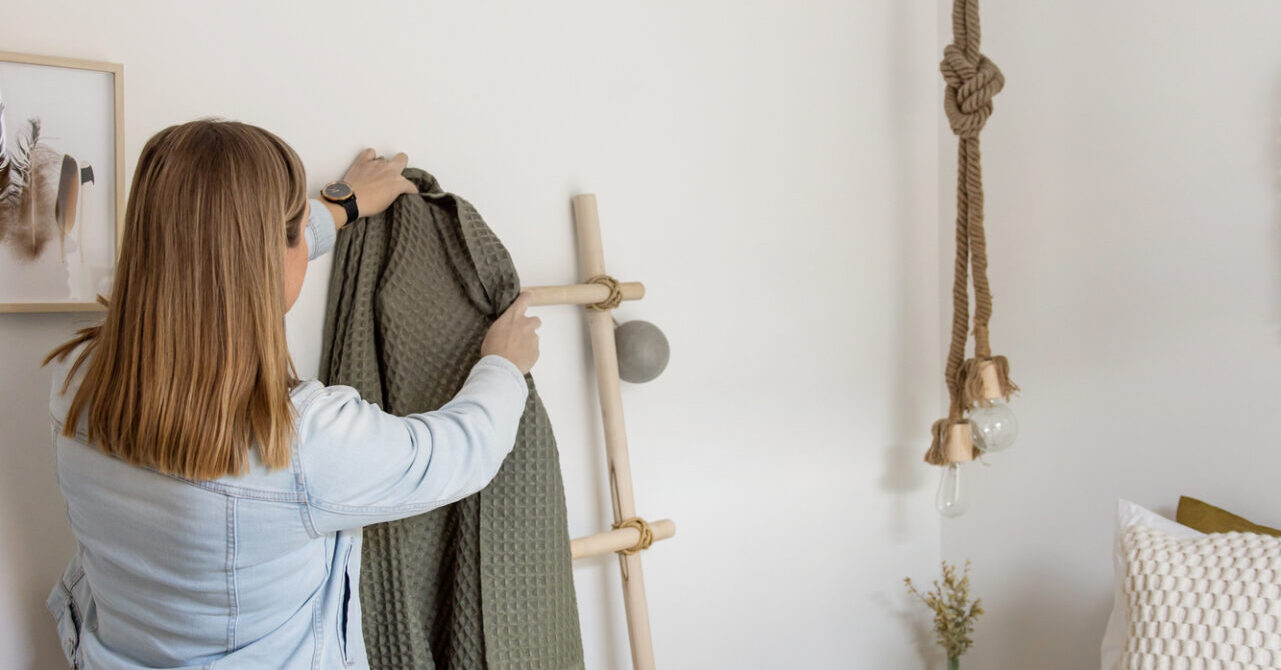
Home doesn’t have to be perfect to feel good.
In fact, more Australians are moving away from the idea of creating magazine-worthy spaces and instead focusing on homes that genuinely support the way they live.
Whether it’s a busy family juggling school and sport, a professional working from the dining table a few days each week, an empty nester simplifying life, or someone renting their first apartment, our homes have become much more than simply somewhere to sleep at the end of the day.
They’re workplaces, gathering places, relaxation zones and, for many, a sanctuary from the pace of everyday life.
That shift has changed the way many people think about their homes.
Rather than chasing perfection, more homeowners and renters are embracing the idea of a “home reset”, making small, intentional changes that improve comfort, organisation and wellbeing without the need for a major renovation or expensive makeover.
Often, it’s the smallest changes that make the biggest difference.
A Home That Works For You
Every home tells a story about the people who live there.
Over time, however, our lifestyles change. Families grow, children become teenagers, people begin working from home, hobbies evolve and priorities shift.
Yet our homes don’t always adapt as quickly.
A room that once worked perfectly may now feel cluttered or under-utilised. The spare bedroom may have become a makeshift office. The dining table might double as a workspace, homework station and craft area.
A home reset isn’t about starting again.
It’s about taking a fresh look at how each space functions and asking a simple question: Does this room still support the way we live today?
Sometimes the answer leads to surprisingly simple improvements.
Perhaps a reading chair is moved closer to a sunny window. A hallway becomes a practical drop zone for bags and shoes. A spare cupboard is reorganised to make everyday items easier to access.
These changes don’t require a renovation. They simply make daily life flow a little better.
Organisation is About Reducing Stress, Not Creating Perfection
Decluttering has become a popular topic over the past decade, but organisation is about far more than having tidy shelves or colour-coded storage containers.
A well-organised home can reduce the mental load of everyday life.
When everything has a place, small daily tasks often become easier. Finding school uniforms, locating important documents or preparing meals can take less time and create less frustration.
The goal isn’t to own less for the sake of it. It’s to make your home easier to live in.
Rather than trying to organise the entire house in one weekend, focus on one space at a time. A kitchen drawer, bathroom cupboard, linen closet, laundry or bedside table to name just a few.
Each small improvement creates momentum, and over time those individual changes can have a noticeable impact on how your home feels.
Create Spaces That Support Everyday Routines
Our homes should support our routines rather than work against them.
Think about the moments that happen every day. Leaving for work, preparing school lunches, cooking dinner, paying bills, relaxing or welcoming visitors.
If these everyday activities feel unnecessarily difficult, the solution may not be buying more storage.
It may simply be rethinking how the space is organised.
For example:
- Create a dedicated charging station for phones, tablets and laptops.
- Keep everyday cooking essentials within easy reach.
- Add hooks near the entry for bags, hats and keys.
- Use baskets to organise children’s toys by activity rather than by room.
- Store seasonal items separately to reduce everyday clutter.
- Create a simple filing system for household paperwork.
Small changes like these can save time every day without dramatically changing the appearance of the home.
Working From Home Deserves Its Own Space
For many Australians, hybrid work has become a normal part of life.
While not everyone has a dedicated home office, creating a defined workspace can make a significant difference.
That doesn’t necessarily mean converting an entire room.
It could be a quiet corner with a comfortable chair, good lighting and a desk that can remain organised between workdays.
Separating work from the rest of the home, even visually, can help create clearer boundaries between work and personal life.
It also allows the rest of the home to continue functioning as a place to relax once the working day has ended.
Families Benefit From Flexible Spaces
Family life is constantly changing.
A playroom today may become a study area in a few years. A guest room may occasionally become a home office. The most functional homes are often the ones that can adapt as family needs change.
Instead of designing every room around a single purpose, consider how spaces can perform multiple roles.
A dining room may also become a homework station. A spare bedroom might include both guest accommodation and a study nook. A covered outdoor area can become an extension of the living room for entertaining or family meals.
Flexibility often creates a home that feels larger without adding a single square metre.
Renters Can Personalise A Home Too
Creating a home reset isn’t only for homeowners.
Renters can also make meaningful improvements without making permanent changes.
Simple updates such as adding rugs, cushions, artwork, indoor plants or better lighting can help create warmth and personality.
Removable shelving, adhesive hooks and portable storage solutions can improve organisation while respecting lease conditions.
The goal isn’t to transform someone else’s property.
It’s to create a home that feels comfortable, functional and welcoming while you’re living there.
Small Maintenance Jobs Matter More Than We Realise
It’s easy to postpone small repairs. A loose cupboard handle, dripping tap, cracked light switch or sticking door. Individually, these issues may seem minor. Collectively, they can make a home feel less cared for.
Setting aside a few hours every couple of months to complete small maintenance tasks can make a noticeable difference.
Regular upkeep not only improves day-to-day living but may also help preserve the long-term condition of the property.
Don’t Underestimate The Power of Natural Light
One of the simplest ways to refresh a home costs very little.
Open the curtains, clean the windows, move furniture away from natural light or replace heavy window coverings. Natural light can make rooms feel larger, brighter and more inviting.
Combined with fresh air and a few indoor plants, it can completely change how a space feels.
Sometimes a home doesn’t need more furniture. It simply needs to make better use of what is already there.
Comfort Is Becoming Just As Important As Style
Interior design trends are increasingly moving towards homes that prioritise comfort over perfection.
People want spaces that feel lived in. Comfortable seating, warm textures, practical storage, functional kitchens and outdoor spaces that encourage people to spend time together.
The most appealing homes today are often the ones that feel welcoming rather than overly styled. That doesn’t mean presentation isn’t important. It simply means authenticity is replacing perfection.
A Home Reset Can Also Benefit Future Buyers or Tenants
Even if you’re not planning to move anytime soon, maintaining an organised and well-presented home can have long-term benefits.
When the time eventually comes to sell or lease a property, buyers and tenants often respond positively to homes that feel well cared for.
A tidy, organised property allows people to focus on the space itself rather than distractions.
Well-maintained homes also help create confidence.
Buyers are more likely to believe that a property has been looked after when they see evidence of regular care and maintenance.
Simple improvements such as repairing minor damage, refreshing paint where needed, improving storage and keeping gardens tidy can all contribute to a positive first impression.
Importantly, these improvements don’t need to be completed all at once.
Many homeowners gradually maintain and improve their properties over time, making future preparation for sale or lease much less overwhelming.
Home Is Meant to Be Lived In
The most successful homes are rarely the most expensive or the most stylish.
They are the ones that support the people who live there.
A thoughtful home reset isn’t about creating a picture-perfect interior.
It’s about creating a space that makes daily routines easier, encourages connection, reduces stress and reflects the way your household lives today.
Whether you’re raising a family, working from home, renting, preparing to sell or simply looking to enjoy your home a little more, small intentional changes can have a surprisingly big impact.
Because when a home works well, everyday life often does too.
Want to know how a small change can make a difference to your property’s value? Contact an Elders Agent in your area here.