

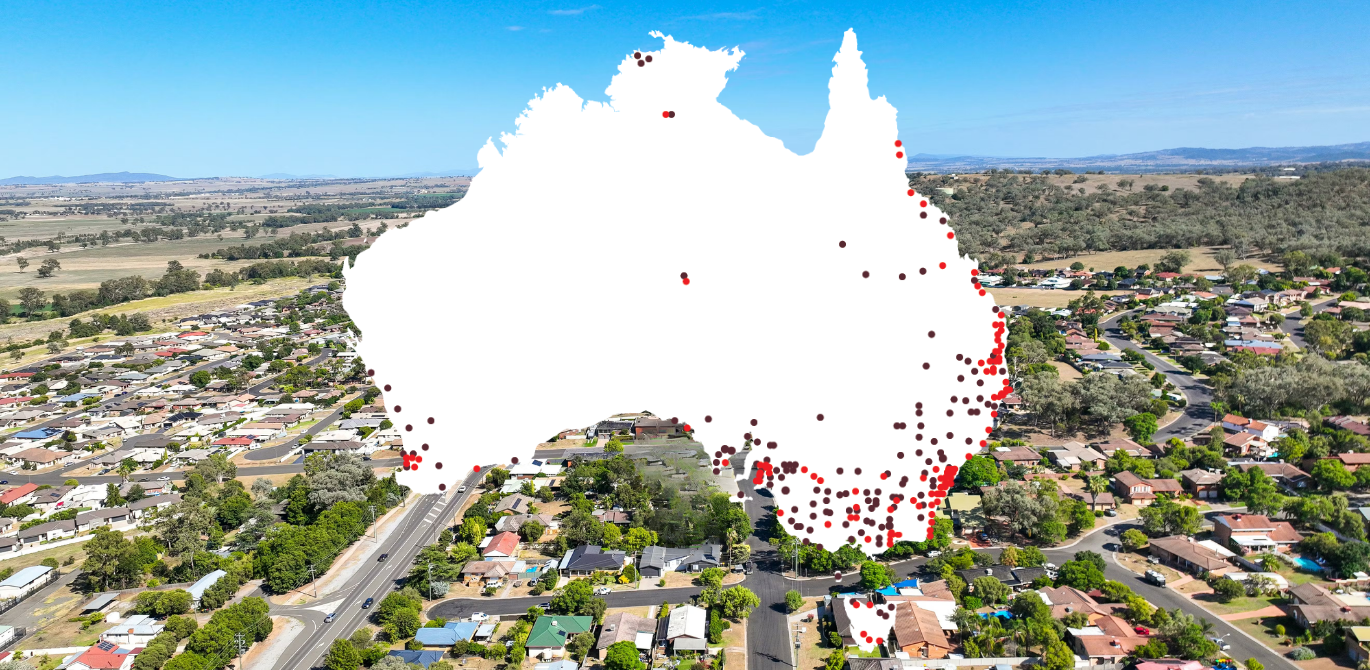
Each year, realestate.com.au’s Hot 100 Suburbs report offers a fascinating snapshot of where Australia’s property market momentum is heading and the 2026 edition is no exception.
Compiled using market data, economic analysis and expert insight, the list highlights suburbs tipped to outperform thanks to factors like infrastructure investment, affordability, demographic shifts and supply-demand imbalances.
The annual guide is designed to help buyers, sellers and investors spot emerging opportunities early rather than chasing markets after they peak.
What makes this year’s list particularly interesting is how clearly it reflects the broader forces reshaping Australia’s housing landscape, from population growth corridors to the ongoing search for value in a higher-rate environment.
The Big Picture: Why “Hot” Suburbs Matter
At its core, the Hot 100 isn’t about short-term hype. Instead, it identifies suburbs with solid fundamentals, places experiencing change through gentrification, rezoning, new transport links or shifting demographics. These are the kinds of structural drivers that can support price growth over the medium term rather than just a brief surge in demand.
Experts point out that affordability relative to neighbouring areas, strong local amenities and tight supply are common threads across many of the 2026 picks. In other words, buyers are still chasing value, but they’re also looking for suburbs with a clear growth story.
Where the Momentum Is Concentrated
One of the clearest takeaways from the 2026 report is the continued strength of smaller capitals and growth corridors.
- Perth and regional Western Australia feature heavily, with outer-fringe areas benefiting from population growth and improved transport links.
- South-East Queensland, including parts of Ipswich and regional hubs, continue to attract buyers priced out of Brisbane’s inner ring.
- Regional cities such as Townsville and Mackay are also highlighted, supported by lifestyle appeal, infrastructure spending and local economic resilience.
New South Wales accounts for roughly a quarter of the Hot 100 list, showing how even within the country’s most expensive state, there are still pockets of relative affordability and growth potential.
Meanwhile, Victoria’s representation leans toward more affordable hubs, reflecting expectations that parts of the state could rebound after a softer period in recent years.
What Defines an Emerging Hotspot in 2026
Across the country, the same characteristics appear again and again in suburbs gaining attention:
Relative affordability
Many hotspots sit just outside expensive inner-city areas, offering buyers a more accessible entry point while still benefiting from proximity to jobs and lifestyle amenities.
Infrastructure and connectivity
Rail extensions, new roads, employment hubs and urban renewal projects are major catalysts, often triggering renewed demand once projects are underway or completed.
Population and demographic change
Young families, downsizers and interstate migrants are reshaping demand patterns, particularly in lifestyle regions and master-planned communities.
Supply constraints
Limited listings relative to buyer demand continue to underpin growth in many highlighted suburbs, especially where planning restrictions or geographic boundaries limit new stock.
What It Means for Buyers, Sellers and Investors
For buyers, the Hot 100 provides a starting point rather than a shortlist. The key is understanding why a suburb made the list, whether it’s infrastructure, affordability or changing demographics, and assessing whether those drivers align with your goals and timeframe.
For sellers, being in or near a hotspot can boost competition and buyer confidence. Even if your suburb isn’t listed, the report often signals broader regional trends that can influence demand in surrounding areas.
For investors, the list reinforces the importance of fundamentals. Many highlighted suburbs attract diverse buyer groups — first-home buyers, upgraders and investors — which can create more stable demand over time.
How to Assess Opportunities in Your Own Area
Even if your suburb didn’t make the Hot 100, the methodology behind the report offers a useful framework. Ask yourself:
- Is there new infrastructure or rezoning planned?
- Are prices significantly lower than neighbouring suburbs?
- Is population growth or migration increasing demand?
- Are listings tight relative to buyer interest?
If the answer is yes to several of these, your local market may share the same fundamentals as many 2026 hotspots.
The Bottom Line
The 2026 Hot 100 Suburbs report reinforces a simple but powerful message: property markets move in cycles, but fundamentals drive long-term performance.
Suburbs gaining attention this year aren’t just “cheap”, they’re places where affordability, infrastructure, lifestyle and demand intersect. For anyone navigating the market, the real value of the report lies in understanding these patterns and applying them to your own property decisions.
Want to know where your suburb rates? Contact an Elders Expert in your area here.
Explore the full breakdown by state here.