

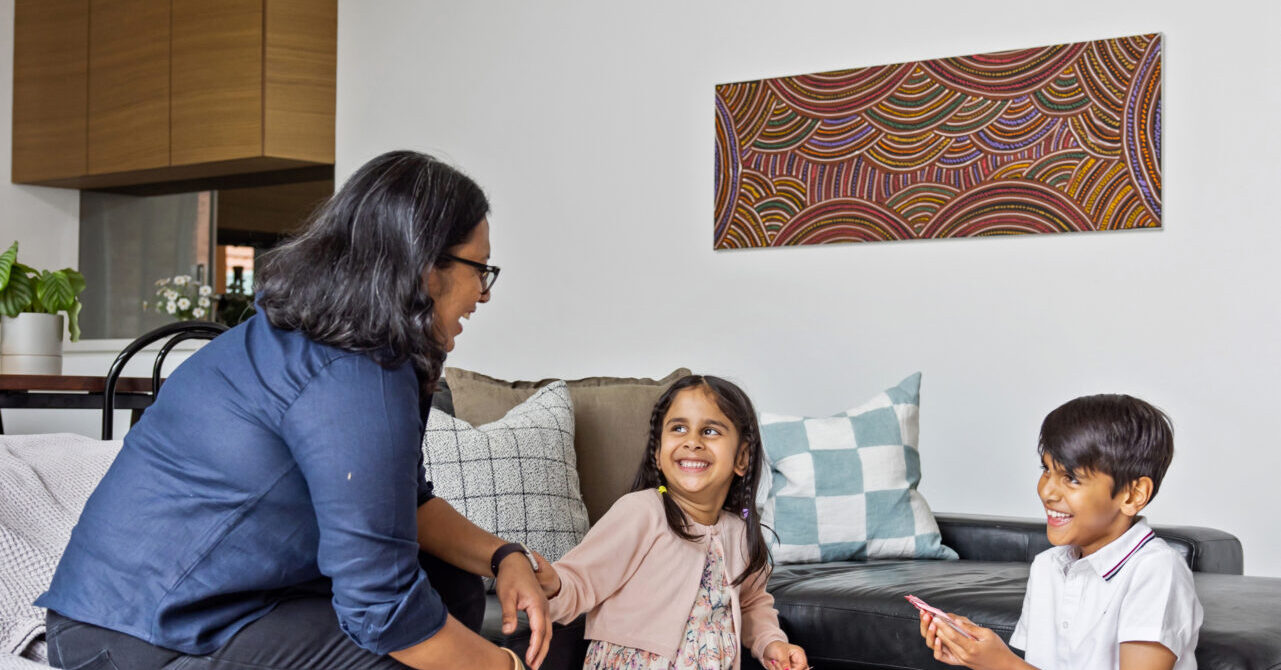
There’s something special about the spaces where life naturally gathers.
The kitchen bench where morning conversations begin. The living room where everyone ends up at the end of the day. The outdoor table that becomes the setting for long lunches, celebrations and relaxed evenings as the sun goes down.
These are the places where the everyday moments happen.
And while homes are often talked about in terms of size, features, or design trends, the spaces that matter most are usually the ones that make connection feel easy.
As we approach celebrations like Mother’s Day, there’s often a renewed appreciation for home as more than just where we live. It becomes the backdrop for shared meals, thoughtful gestures, laughter, quiet moments and time spent together.
It’s a reminder that the heart of an Australian home isn’t found in square metreage or expensive renovations. It’s found in the spaces that invite people in and encourage them to stay a little longer.
Here’s how thoughtful design, layout and styling can help create spaces that genuinely bring people together.
The Kitchen: The Natural Heart of the Home
If there’s one space that consistently draws people in, it’s the kitchen.
No matter how carefully a gathering is planned elsewhere, people always seem to end up here.
It might be around the island bench while dinner is being prepared. It might be over a cup of tea in the morning, or the quick catch ups that happen between school runs, work calls and everyday routines.
The kitchen has a unique way of creating connection because it is both practical and personal.
Creating a kitchen that encourages togetherness doesn’t necessarily mean a major renovation.
Often, it comes down to small design choices. Open bench space makes it easier for people to gather without feeling crowded. Comfortable seating, even just two or three stools, creates an invitation to linger. Good lighting helps the space feel warm and welcoming rather than purely functional.
Keeping surfaces organised and uncluttered also changes the energy of the room. A tidy, thoughtful kitchen naturally feels more inviting.
It’s less about perfection and more about creating a space where people feel comfortable enough to pause.
The Living Room: Where Everyday Connection Happens
The living room often carries the quiet weight of family life.
It’s where people collapse after long days. Where movie nights happen. Where conversations unfold without planning.
And because it’s often the most used room in the house, its layout has a big influence on how people interact.
A well designed living room makes connection feel natural and this usually starts with furniture placement. When seating faces each other rather than the television alone, it encourages conversation.
A layout that feels open but intimate makes it easier for everyone to settle in comfortably. Soft textures also play a bigger role than many people realise.
Layered cushions, throws, rugs, and warm lighting all help create a sense of comfort that makes people want to stay.
These aren’t just styling decisions. They shape how a room feels and how it is used.
The most welcoming living rooms are rarely the most formal, they’re the ones that feel lived in, relaxed, and ready for real life.
Outdoor Spaces: Australia’s Other Living Room
Few things are more Australian than gathering outside.
Whether it’s a backyard barbecue, coffee on the deck, or kids playing while adults catch up nearby, outdoor spaces often become some of the most memorable parts of home life.
The beauty of outdoor areas is that they don’t need to be elaborate to be effective.
A small courtyard with comfortable seating can be just as inviting as a large entertaining area.
The key is creating usability:
- Simple touches can make all the difference
- Comfortable chairs
- Soft outdoor cushions
- Warm lighting
- A practical table for shared meals
Adding greenery also helps soften the space and makes it feel more connected to the home itself.
When outdoor areas feel intentional rather than forgotten, they naturally become places people gravitate towards.
The Dining Space: Making Room for Ritual
Shared meals remain one of the simplest and most meaningful ways families connect.
Even in busy households, sitting down together creates an important pause, that’s why the dining space matters.
It doesn’t need to be formal. It might be a dining table, a breakfast nook, or even a well used outdoor setting, what matters is that it feels easy to use.
If a space feels cluttered, impractical, or disconnected from daily life, it often gets overlooked.
Small changes like clearing unnecessary items from the table, adding simple styling like fresh flowers or a candle and ensuring eating is comfortable enough for people to stay after the meal is finished, can help reclaim it.
These little details help transform a functional eating area into a space for conversation and connection.
Flexible Spaces for Modern Family Life
Homes today often need to work harder than ever.
They are offices, study zones, relaxation spaces and gathering places all at once, that’s why flexibility is increasingly important.
A thoughtfully designed home allows spaces to shift depending on what the day requires. A quiet reading corner might become homework space, a dining table may double as a work desk before becoming the centre of dinner. The key is designing with adaptability in mind.
Smart storage, movable furniture and uncluttered layouts make this easier. When spaces can evolve naturally, they better support family life in all its changing forms.
Comfort Creates Connection
One of the most overlooked elements of family centred design is simple comfort.
People gather where they feel at ease. This means paying attention to the sensory details that shape how a home feels, which includes natural light, soft furnishings, comfortable temperatures, a sense of calm and order. These are the things that quietly encourage people to spend time together.
They create an atmosphere that feels nurturing without needing to be overly styled or carefully staged.
It’s Not About Bigger Homes. It’s About Better Spaces
There’s often a misconception that family connection requires larger homes or extensive renovations.
In reality, some of the most connected homes are simply the ones that make thoughtful use of what they already have.
A small apartment with a welcoming dining nook can feel more connected than a sprawling house with disconnected spaces.
A modest living room arranged thoughtfully can bring people together more naturally than a large, formal area that feels untouchable.
Connection is rarely about scale. It is about intention.
A Home That Holds Everyday Moments
Mother’s Day often reminds us that home is deeply tied to care.
Not just in grand gestures or celebrations, but in the everyday spaces that support family life.
The kitchen where meals are made, the couch where stories are shared, the outdoor area where laughter drifts into the evening.These spaces hold the moments we remember.
And with thoughtful design, practical styling, and a focus on comfort, every home can create more opportunities for those moments to happen.
Need some advice on how to make the most of your space? Contact an Elders Agent in your area here.