


Australia’s commercial property market has demonstrated remarkable resilience through the 2025 financial year, recording approximately $60 billion in transaction volumes*, consistent with 2024. This stability reflects a maturing investment landscape, where liquidity remains strong and investor confidence is buoyed by a broadening buyer base, recalibrated asset values, and sectoral strength across industrial, retail, and regional markets***.
Institutional Capital Returns, Regional Markets Surge
One of the defining trends of 2025 has been the return of institutional investors. Larger funds, including Singaporean sovereign wealth funds and Canadian pension funds, have re-entered the market with cashed-up mandates. A standout example is the acquisition of Monash University’s Melbourne Docklands campus for approximately $380 million by a Singaporean REIT. This signals renewed offshore confidence in Australia’s transparent and stable investment environment.
Private investors remain active but cautious, with sentiment supported by falling interest rates and equity market volatility. However, the Reserve Bank of Australia’s decision to pause further rate cuts suggests that additional cap rate compression may be limited, placing greater emphasis on asset performance and income growth to drive returns.
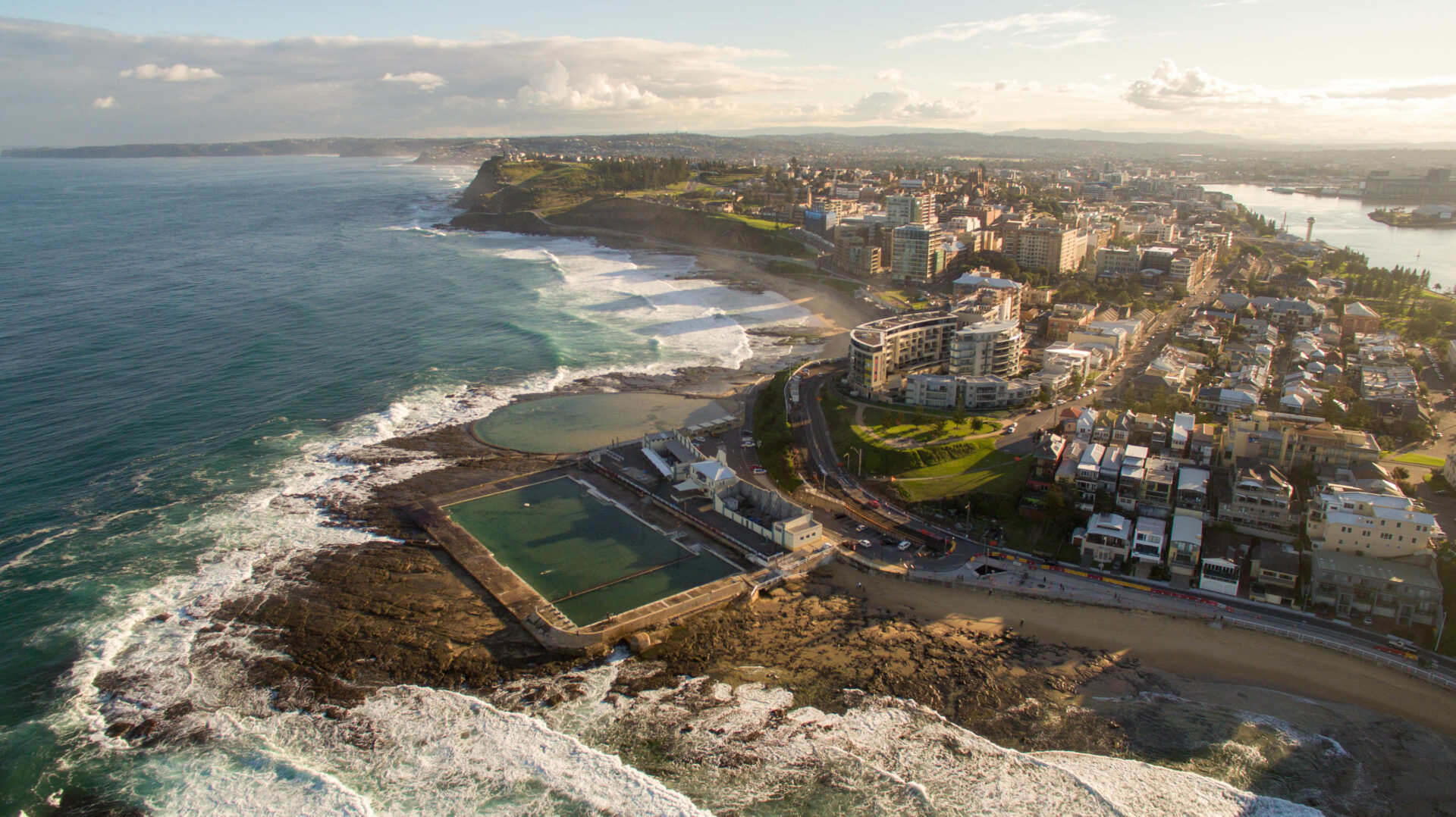
Meanwhile, regional commercial markets have emerged as standout performers, with year-to-date sales volumes reaching $8.5 billion*, marking a 30% increase compared to the same period last year. Investors are increasingly drawn to regional locations for their geographic diversification, attractive yields, and lower competition. Areas such as Newcastle, Toowoomba, Rockhampton, and Southeast Queensland are particularly appealing due to strong population growth and infrastructure investment.
Sector Performance: Industrial Dominates, Retail Rebounds, Office Repositions
Industrial property continues to lead the market, attracting institutional and private capital as well as owner-occupiers. The sector’s fundamentals remain robust, with data centres experiencing an investment boom. Limited supply has prompted major groups to develop their own facilities, reflecting the digital economy’s expansion and the need for scalable infrastructure.
Retail markets are showing signs of recovery. Prime regional and sub-regional enclosed shopping centres are in high demand, as seen in the acquisition of Erina Fair on the NSW Central Coast by private group Faulkner. While secondary strip retail and some CBD precincts continue to struggle due to reduced foot traffic and evolving consumer habits, premium retail locations and transport-oriented developments in high-density areas are demonstrating resilience.
The office sector presents a more complex picture. National vacancy rates remain elevated at ~14.8%**, but Hobart leads the country with the lowest vacancy at just 3.6%, reflecting strong fundamentals in smaller regional markets. Major markets such as Melbourne (18%), North Sydney (22%), Macquarie Park (22%), and St Leonards (30%) continue to grapple with post-COVID return-to-work dynamics. These conditions are accelerating the obsolescence of older office stock, prompting investors to consider adaptive reuse, redevelopment, or refurbishment strategies.
Mixed-Use and Specialist Assets Gain Traction
Investors are increasingly targeting mixed-use and specialist assets for diversification and yield. Asset types such as medical centres, childcare facilities, service stations, fast food outlets, self-storage, pubs, and hospitality venues are being actively sourced across both metropolitan and regional markets. These assets offer defensive income profiles, often underpinned by long-term leases and strong tenant covenants.
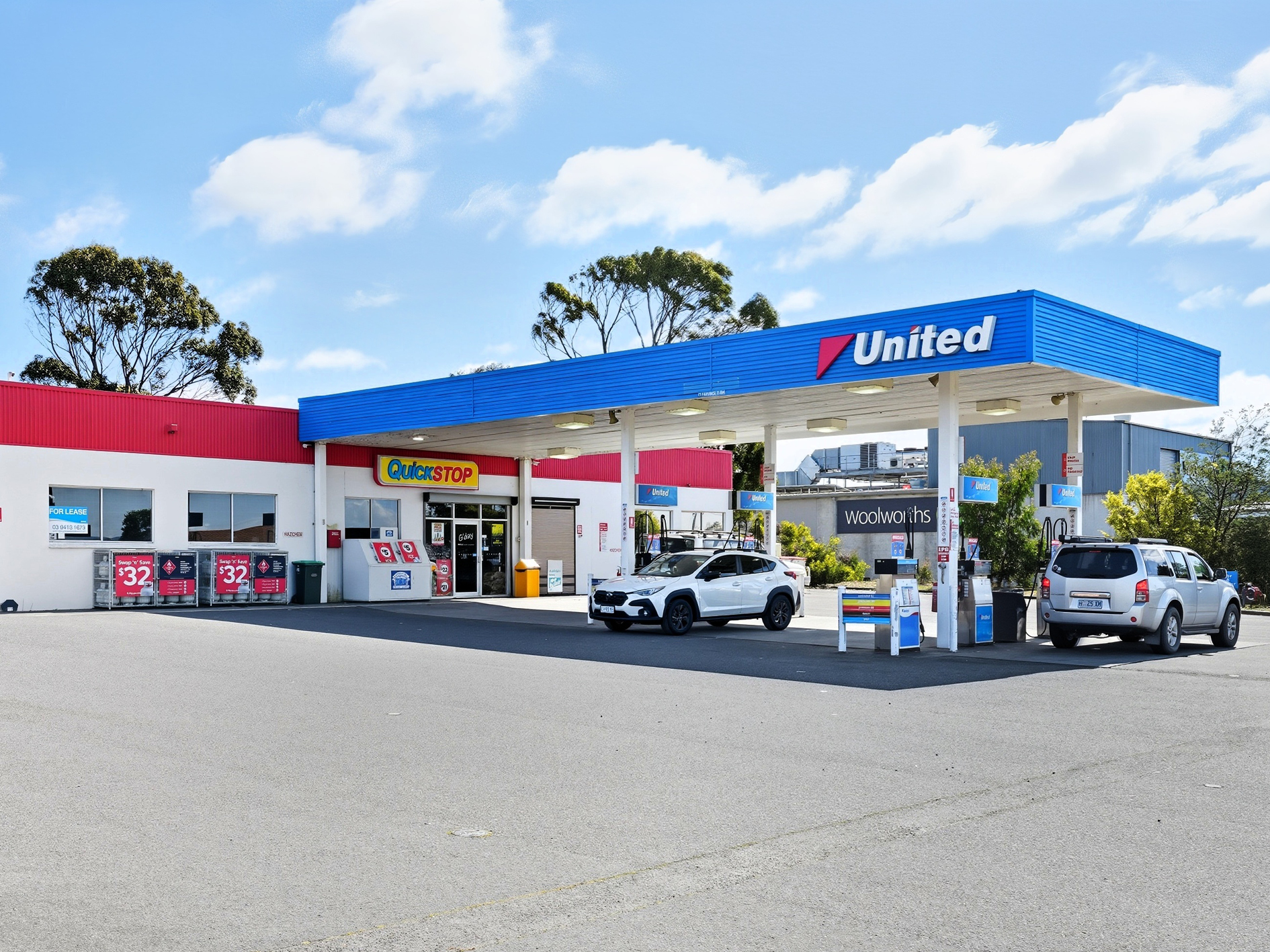
100 Alexander Street, Shearwater. Sold at Auction by Elders Commercial & Burgess Rawson
Construction and Development: Challenges and Opportunities
The development sector continues to face structural headwinds, including builder insolvencies, elevated construction and labour costs, and funding constraints. Despite these challenges, opportunities remain in select markets where reduced competition allows astute developers to achieve strong project returns. Success in this environment hinges on disciplined underwriting, robust pre-sale or pre-leasing metrics, and strategic site selection.
State-by-State Snapshot
- New South Wales remains the dominant force, accounting for nearly 50% of national transaction volumes. Sydney’s role as the financial capital, combined with strong institutional flows and population growth, underpins this strength.
- Victoria has seen a slight decline in sales volumes, driven by subdued office market fundamentals and perceptions of an unfriendly property tax environment. Private capital remains active, but sentiment is cautious.
- Queensland is experiencing a resurgence, supported by positive economic indicators, strong interstate migration, and infrastructure investment ahead of the 2032 Brisbane Olympics.
- South Australia has emerged as a surprise performer, recording double-digit growth in sales volumes. Improved investor confidence and infrastructure investment are contributing to this momentum.
- Western Australia remains a stable market, supported by its strong resources sector and infrastructure pipeline. Investor confidence is underpinned by mining-related economic strength and population growth in Perth.
- Tasmania, while smaller in scale, continues to show resilience. Year-to-date commercial property sales reached $308 million*, with industrial assets leading the charge, followed by strong office trading.
Debt Markets: Liquidity and Yield Arbitrage
Debt markets remain supportive of investment activity. Prime commercial assets are attracting competitive lending margins, with some banks offering rates as low as 120 basis points over the swap rate, translating to borrowing costs of 5–5.5%. This pricing provides a compelling yield arbitrage for higher-yielding assets.
However, development and construction funding remains constrained, with lenders favouring established developers in strong markets with pre-sale or pre-leasing success. This cautious stance reflects broader economic uncertainty and the need for risk-adjusted returns.
Outlook for 2026: Strategic Focus and Market Selection
Looking ahead, the investment outlook for 2026 remains favourable. A stabilised interest rate environment may limit further yield compression, placing greater emphasis on asset-level performance to drive returns. Prime-grade assets in strategic locations are expected to outperform, even on a risk-adjusted basis.
Markets to watch include:
- Retail assets with strong locational fundamentals
- Prime offices in Sydney and Brisbane
- Industrial assets in strategic infill locations
- Regional hotspots such as Newcastle, Toowoomba, Rockhampton, and Southeast Queensland
The Elders Commercial Edge
The commercial real estate team at Elders is uniquely positioned to help investors navigate an evolving market. In 2025 alone, we transacted more than 270 commercial properties worth over $600 million. With a growing team of 60 operatives across 18 commercial offices, now powered by our client intelligence platform, Elders Commercial Edge; we will help you identify the right opportunities and secure the best possible results.
*Commonwealth Bank of Australia
** Property Council of Australia – Office market report 2025
*** Elders Commercial IQ