

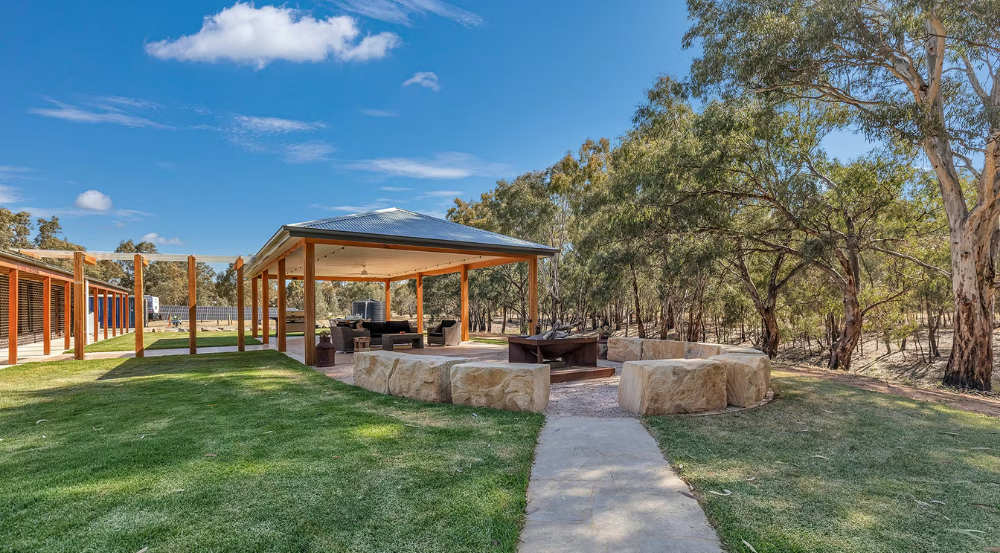
Across Australia in 2026, rural and regional living continues to shine for lifestyle-minded homeowners, investors and families seeking value outside the major cities.
While capital city markets grapple with high prices, rental pressures and affordability challenges, regional and rural areas remain appealing for a mix of reasons that go far beyond cost alone. In fact, property trends and population movements suggest this is more than a short-lived shift, it’s a structural change in where and how Australians want to live.
Let’s explore what’s driving demand, how markets are performing, and why so many buyers are choosing regional and rural lifestyles for their next chapter.
Affordability: The Clear Regional Advantage
One of the most visible drivers of regional and rural interest continues to be affordability.
Compared with major cities, where median house prices often exceed well over a million dollars, many regional markets still offer significantly lower entry points combined with spacious properties and land.
Recent aggregated property data shows that regional dwelling values were rising more briskly than capital cities in recent cycles, with combined regional areas outpacing many metropolitan markets, reflecting the ongoing appetite for regional housing.
Regional prices have even climbed from previously lower baselines to new levels, often with median values in the hundreds of thousands rather than well into seven figures.
This pricing dynamic is a powerful incentive for buyers who may be priced out of cities, especially young families, retirees, and first-home buyers chasing lifestyle and space rather than proximity to a central business district.
In many areas, the relative value of regional property is tangible: larger blocks, space to garden, room for hobbies and pursuits with a sense of ownership that’s harder to achieve in dense urban settings.
Lifestyle and Flexibility: What Keeps People Looking
Affordability is only part of the story. For many buyers, the appeal of regional and rural living is deeply tied to life quality. Open skies, access to nature, slower rhythms, community connection and a sense of space all factor into the decision to relocate or invest regionally.
Hybrid work patterns, where people split time between home and the office, have made it far more practical for many professionals to live outside the city without sacrificing career momentum.
This shift isn’t just a pandemic fad; data tracking migration patterns shows that capital-to-regional moves have remained above long-term historical averages, and are still significantly more frequent than moves in the reverse direction, suggesting a sustained structural trend in household decision-making.
These shifts reflect a broader desire to balance career, family, lifestyle and cost in ways that urban living sometimes restricts.
The Regional Movers Index, a research tool tracking internal migration, shows these trends continuing: more people are relocating from capital cities to regional areas than in the opposite direction, a pattern that has persisted and in some measures strengthened over recent years.
This indicates that, for many, regional living is not a temporary experiment but a genuine and preferred long-term lifestyle choice.
Community and Purpose: A Different Kind of Satisfaction
One of the intangible but powerful draws of regional living is community. Smaller towns and rural communities often offer stronger social connections, closer relationships with neighbours, local events and a palpable sense of belonging. These qualities enrich daily life in ways that are hard to quantify but deeply felt by residents.
Smaller populations also tend to engender more collaborative local economies, where business owners, service providers and residents know each other. Schools, sporting clubs, volunteer organisations and local markets become touchstones of social life and support networks.
For many buyers, especially families or retirees, this sense of community is a core part of the regional lifestyle promise, and it’s one reason why rural and regional homes aren’t just places to live, but places to belong.
Land Ownership: Space with Purpose
Ownership of land, whether that’s acreage, a lifestyle block, a farmlet or simply a larger block closer to nature, remains a hallmark of rural and regional living.
For many buyers, the opportunity to have space isn’t just about comfort; it’s a gateway to hobbies, gardening, small-scale agriculture, outdoor pursuits and a fundamentally different way of life.
Land ownership also carries potential future value. Farmland and rural residential values climbed strongly over the past decade, with significant cumulative growth reflecting both lifestyle demand and underlying agricultural value.
While the pace of growth has moderated and transaction volumes have tightened in recent periods, landholdings remain strong assets with deep-rooted appeal, especially in productive or well-located regions.
Rural land has historically appreciated significantly over long time horizons, reflecting sustained interest from multiple buyer segments and the limited supply of desirable properties.
Even as some rural markets fluctuate with seasonal and economic conditions, the broader long-term price trend has been upward, reinforcing confidence among investors and lifestyle buyers alike.
Economic Anchors: Agriculture, Services and Opportunity
Beyond lifestyle, regional and rural economies are anchored by essential industries, particularly agriculture and associated services. Agriculture remains a backbone of many regional communities, supporting jobs, small business ecosystems and local supply chains.
Even as commodity conditions and market dynamics fluctuate, rural economies often display resilience not as tied to metropolitan employment cycles, providing another pragmatic reason for people to invest in and relocate to these areas.
Infrastructure improvements, regional job growth, and stronger local service networks also contribute to the economic attractiveness of regional living.
Demand Dynamics in 2026: Keeping Momentum Alive
In 2025 and into 2026, multiple measures point to continued demand for rural and regional property.
Dwelling value growth in regional zones has consistently outpaced, or at least rivalled, many capital city markets over rolling periods, buoyed by local economic resilience and ongoing lifestyle migration.
Even as some coastal or high-growth markets begin to moderate, other inland or regional centres continue to see buyer interest, particularly where affordability, local jobs and community amenities align.
What’s more, national migration data indicates that the pull toward regional areas remains elevated compared with pre-pandemic norms, underscoring structural shifts in where Australians want to live.
This doesn’t mean every regional market grows at the same rate, each location has its own drivers, but in aggregate, demand remains notable.
Is Regional and Rural Living Right for You?
Deciding whether rural or regional living is a fit depends on many personal factors, lifestyle priorities, employment flexibility, family needs and long-term goals.What the data and trends show is that regional living is not a passing trend, but an enduring part of Australia’s housing landscape.
For buyers craving affordability, space, community and a slower pace of life, without entirely sacrificing connectivity or opportunity, rural and regional markets continue to hold strong appeal.
For those considering a move, it’s worth balancing lifestyle aspirations with local research, infrastructure access, employment opportunities, land use potential and of course, expert advice.
Ready to live the rural or regional dream? Contact an Elders Rural Lifestyle Expert here.