




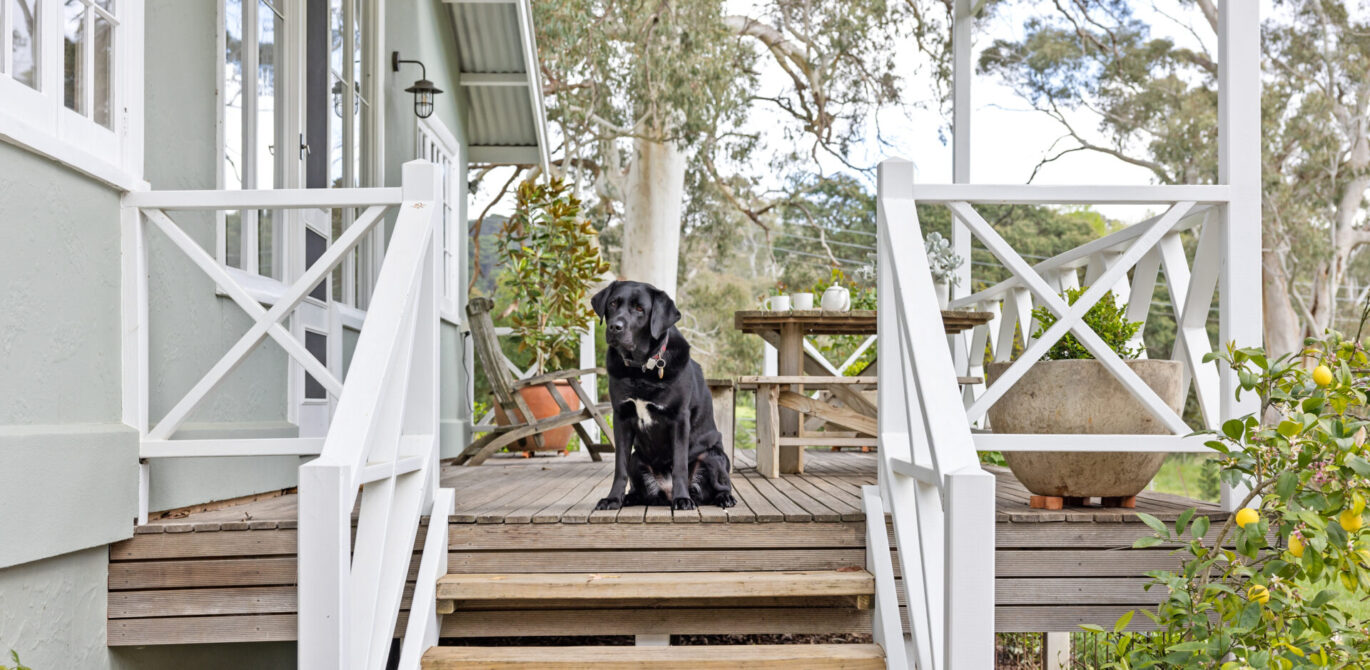
For many Australians, pets are no longer simply animals that live at home. They are part of the home.
Whether it’s a dog that’s part of the daily routine, a cat that has quietly claimed the best chair in the house, or a growing number of renters considering getting a pet for companionship, the reality is clear, pet friendly housing matters more than ever in 2026.
Finding the right rental with a pet has become increasingly competitive.
Australia’s rental market remains extremely tight, with Cotality’s latest figures showing national rents rose 5.7% annually to April 2026, while vacancy rates remain near historic lows.
At the same time, tenancy laws across several states continue evolving, changing the balance between renters, landlords, and property managers when it comes to pets in rental homes.
For renters, landlords, investors and homeowners alike, understanding how pet friendly rentals work in today’s market is becoming increasingly important.
Why Pet Friendly Rentals Matter More Than Ever
Australia is a nation of pet owners and increasingly, renters are refusing to see pet ownership as something reserved only for homeowners.
The challenge is that demand for pet friendly rentals is rising at the same time rental supply remains critically low.
Recent rental market data shows:
- Australia’s national vacancy rate sits around 0% to 1.6%
- Several capitals remain in “acute shortage” territory
- Rental competition remains intense nationwide.
In practical terms, this means renters with pets are often competing for a smaller portion of already limited available stock.
However, the market is slowly changing.
More landlords and investors are recognising that allowing pets can actually improve tenant retention and broaden the pool of quality applicants.
The Rental Laws Around Pets Have Changed
One of the biggest developments in recent years has been the evolution of tenancy laws across Australia.
Victoria in particular has introduced some of the country’s strongest renter protections.
Recent reforms include:
- Bans on “no fault” evictions
- Longer notice periods for rent increases
- Stronger renter rights
- Additional protections around lease security and application processes.
Importantly for pet owners, Victorian rental laws already require landlords to apply to VCAT if they wish to reasonably refuse a pet request.
That means pets are no longer automatically prohibited simply because an owner prefers not to allow them.
Similar renter focused reforms are also continuing across other states.
The result is a rental environment where:
- Pet ownership is becoming more accepted
- Clear communication matters more than ever
- Professional property management plays an increasingly important role
What Renters with Pets Should Do Before Applying
In a tight market, preparation matters enormously. Renters with pets often succeed not because they hide their pet situation, but because they present themselves professionally and transparently.
A strong rental application should ideally include:
- Clear rental history
- References
- Evidence of responsible pet ownership
- Vaccination or registration details where appropriate
- Information about the pet’s behaviour and routine
Many successful applicants now also create simple “pet resumes” that outline:
- Breed and age
- Training history
- Temperament
- Previous rental experience
It may sound excessive, but in a competitive market, these small details can make a genuine difference.
Presentation Matters More Than Ever
One of the biggest misconceptions among renters is that landlords only care about the pet itself.
In reality, owners are usually assessing risk.
They want confidence that:
- The property will be maintained
- Damage risks are minimised
- Neighbours won’t be impacted
- The tenancy will remain stable
That’s why presentation matters.
Professional communication, organised documentation, and honesty during the application process help build trust from the beginning.
What Landlords Should Consider Before Refusing Pets
For landlords, the idea of allowing pets can still feel risky.
Common concerns include:
- Property damage
- Noise complaints
- Odours
- Additional maintenance
But the market data increasingly suggests there are also significant benefits to pet friendly leasing.
In today’s rental environment:
- Pet friendly homes attract larger applicant pools
- Good tenants often stay longer when pets are permitted
- Vacancy periods may reduce
- Tenant loyalty tends to improve
And importantly, many pet owners are highly motivated to maintain stable housing because suitable rentals are limited.
In other words, allowing pets can actually strengthen tenancy stability.
Investors Are Increasingly Seeing Pets as a Competitive Advantage
For property investors, pet friendly rentals are becoming less of a niche feature and more of a strategic advantage.
With vacancy rates remaining critically tight nationally, investors are increasingly focused on:
- Tenant retention
- Consistent rental demand
- Reducing vacancy downtime
- Long term occupancy stability
Pet friendly properties can support all four.
In some areas, investors are even making small property upgrades specifically aimed at pet owners, including:
- Secure fencing
- Durable flooring
- Easy to maintain outdoor spaces
These relatively modest improvements can significantly increase rental appeal without requiring major renovation.
The Types of Properties Pet Owners Are Seeking
In 2026, renters with pets are increasingly prioritising functionality over luxury.
The most sought after features include:
- Secure outdoor areas
- Hard flooring instead of carpet
- Nearby parks or walking areas
- Flexible indoor living spaces
- Good natural light and ventilation
Importantly, pet friendly demand is no longer limited to detached houses.
Many renters are now successfully keeping pets in:
- Townhouses
- Units
- Apartments
particularly as more buildings and landlords adapt to changing renter expectations.
Why Professional Property Management Matters
As tenancy laws evolve and rental competition remains high, professional property management has become more important than ever for both renters and landlords.
This is where experienced agencies such as Elders Real Estate play an important role.
A strong property management team helps:
- Navigate changing tenancy legislation
- Assess pet applications fairly
- Protect landlord interests
- Support positive tenant relationships
- Ensure compliance obligations are met
For renters, this can create a smoother and more transparent rental experience.
For landlords and investors, it provides confidence that:
- Appropriate screening processes are in place
- Lease conditions are managed properly
- Properties remain protected while remaining competitive in the market
In an increasingly regulated rental environment, professional guidance is becoming essential rather than optional.
The Rental Market Is Still Extremely Competitive
Despite improving renter protections, the reality is that Australia’s rental market remains extraordinarily tight.
Cotality’s latest rental review shows:
- Renters are now spending a record 1% of household income on rent
- National rents have increased significantly over the past five years
- Rental affordability continues deteriorating nationally.
That means renters with pets should still expect competition, particularly in:
- Lifestyle suburbs
- Coastal regions
- Family oriented neighbourhoods
- Lower vacancy markets such as Perth, Adelaide and Brisbane.
Preparation, flexibility and strong communication remain critical.
The Market Is Gradually Changing
While challenges remain, the broader rental market is slowly becoming more accommodating toward pets.
Several factors are driving this shift:
- Changing social attitudes toward pets
- Evolving tenancy legislation
- Strong competition for quality tenants
- Greater focus on tenant retention
For landlords and investors, pet friendly policies increasingly make commercial sense.
For renters, it means more opportunities may continue emerging over time.
The Landscape is Changing
Finding a pet friendly rental in 2026 can still be challenging, particularly in a market defined by low vacancy rates and high competition.
But the landscape is changing.
Tenancy laws are evolving, landlords are becoming more open to pets, and investors are increasingly recognising the long term benefits of pet friendly leasing.
For renters, success often comes down to preparation, communication and presenting yourself as a responsible long term tenant.
For landlords and investors, allowing pets can open the door to stronger tenant demand, longer occupancy and improved rental stability.
And for homeowners navigating these increasingly complex rental conditions, experienced property management has never been more valuable.
If you need more information as a homeowner, tenant or potential landlord, contact Elders Property Management for clarification around your options.